





The Indian Semiconductor Mission 2.0 was announced earlier this year, building on ISM 1.0 which put India on the global semiconductor manufacturing map. We unpack the ecosystem approach of ISM 2.0, highlighting the holistic nature of support for semiconductor manufacturing in India under the new scheme and also talk about new investment opportunities that this opens for an early-stage deep science investor.
Deep tech innovation is powered by advanced computational techniques and tools supercharging scientific innovation. This revolution comes at an opportune time, as humanity is grappling with urgent existential problems such as climate change. There is a massive opportunity in this space for startups to build both general-purpose models and domain-specific AI models that combine domain expertise as well as AI smarts.
The chemicals industry has a large carbon footprint and many of its processes result in toxic byproducts. Thus the time is ripe to find greener and cleaner chemical manufacturing processes. In the past two decades, synthetic biology technologies have been used to manufacture both commodity and specialty chemicals. These processes are now scaling up, attaining price parity with their chemical counterparts, and regulations around the world are keeping pace.
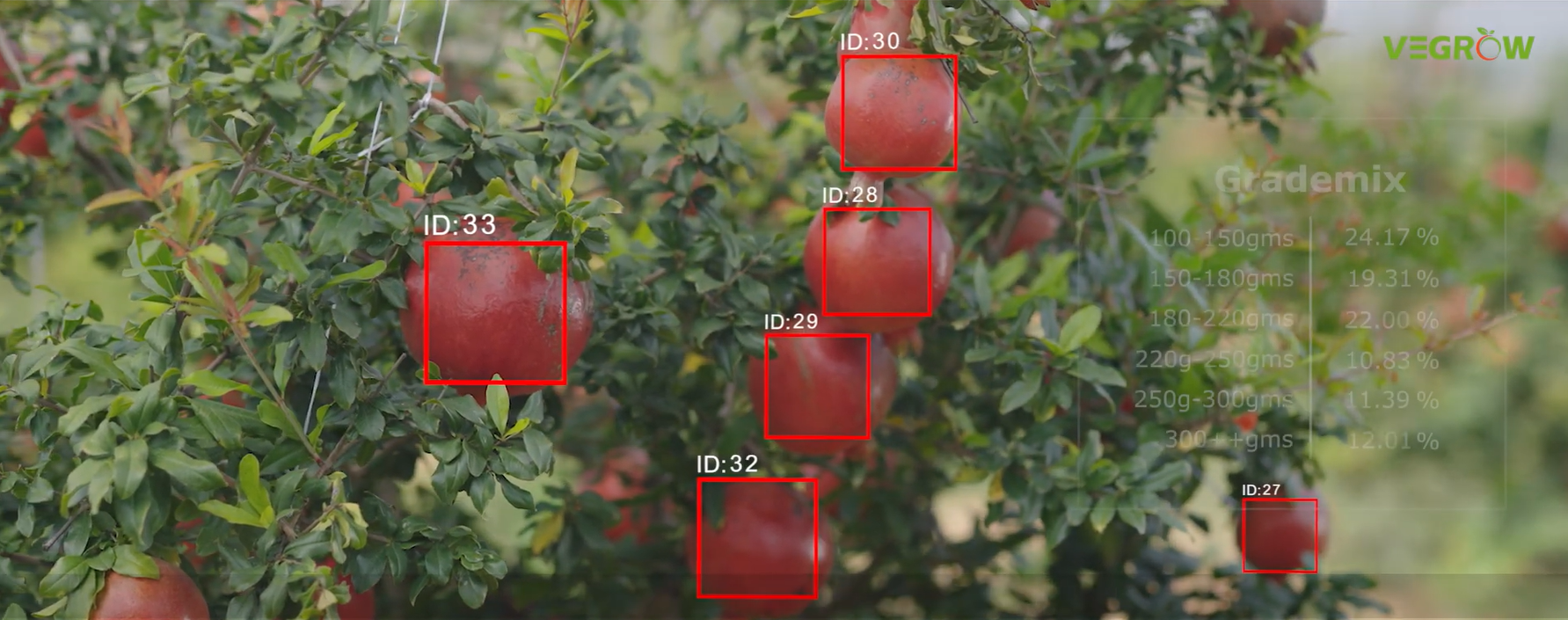
Food systems are undergoing a significant transformation driven by unsustainable use of land and water resources and rising costs. This transformation is being led by biotechnology-based food products which enable food production in large scale bioreactors, thereby reducing land and water usage, while also enhancing productivities and driving down costs. The next decade is expected to open up opportunities for commercialization of these products, which will require support in the form of financial investments, infrastructure as well as regulatory acceptance.
Synthetic biology uses techniques in genomics, systems biology and bioengineering to improve various aspects of agriculture, ranging from making food more nutritious to making more stress-resistant crop varieties. Agri-inputs, in particular, form a big part of this piece and startups in the field received more than $900M in VC funding in 2021. Going forward, more and more agri-inputs in use today will be replaced by more sustainable ones made using synthetic biology.
The Indian startup ecosystem did very well in 2021, with over 40 unicorns minted. However, investments in fundamental change have been missing. To go beyond incremental changes, we need deep technology-based solutions from India that have the potential to scale globally. At Ankur, we’re willing to back innovations that will disrupt the course of tomorrow.